VOX in Berlin
The Zapruder Effect
Four investigations
2026.12.05 – 2027.02.07
This exhibition is presented at the n.b.k. Video-Forum, Berlin
MARIE J. JEAN
It is among the most-studied imagery in history: the amateur film comprising 26 seconds, or 486 frames, that depicts the assassination of John F. Kennedy on November 22, 1963. It was captured by Abraham Zapruder, who thanks to his 8mm camera became the most famous witness to the tragedy. The footage has gained the status of historical record not only because of the traumatic images it revealed, but also as the inflection point for a profound reworking of the regimes of visibility. Since that day in 1963, every component of the Zapruder film has been subjected to rigorous scientific scrutiny, including analyses of the logical extension of its frames as well as cross-referencing with other sources. Areas outside the camera’s field of view have even been reconstituted by addition of new images, allowing the scene to be examined from every possible missing angle so as to reproduce the sequence of events, as in a psychodrama.
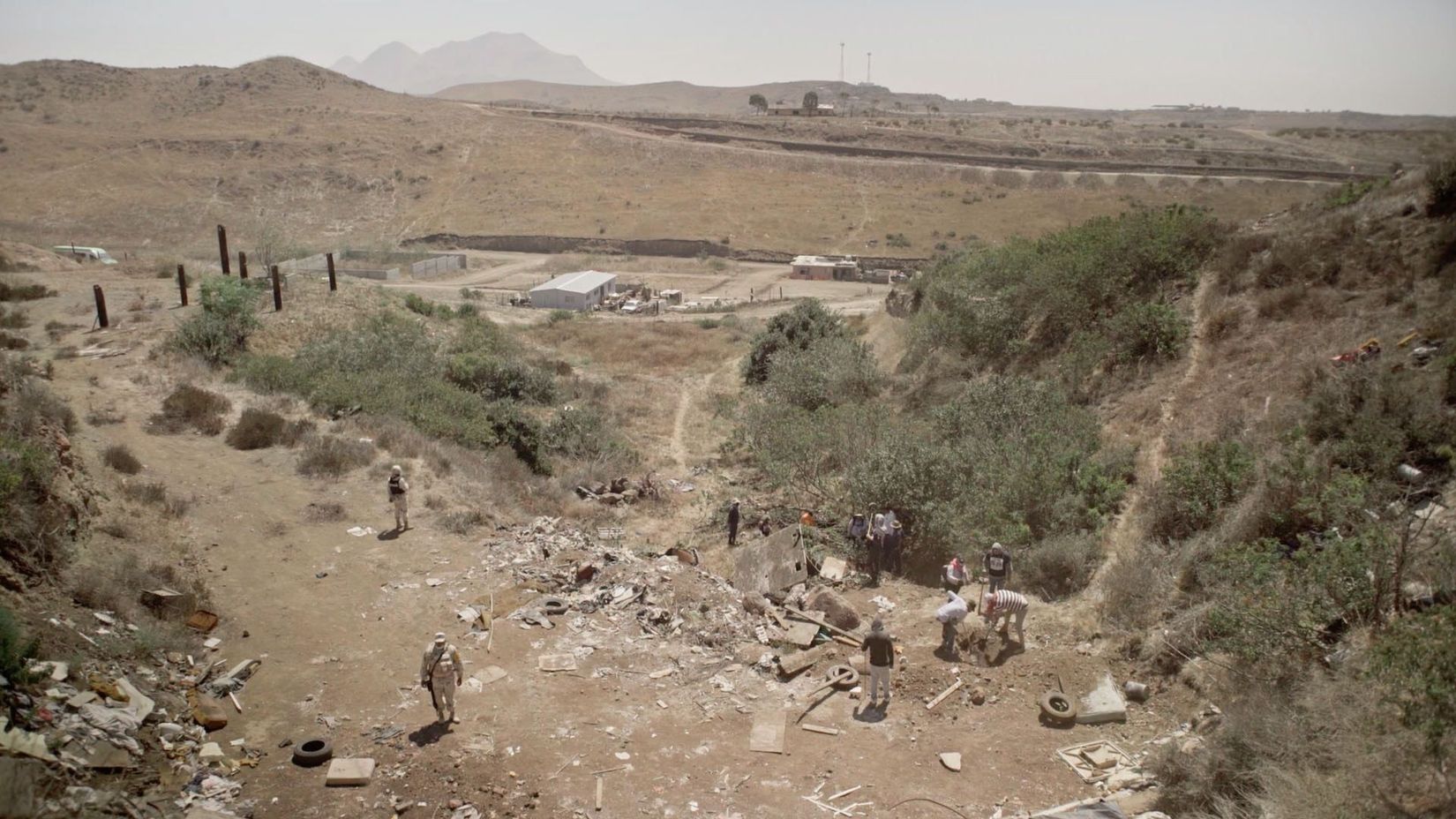
Today, this method of processing images to amplify the data they contain is the basis for abundant artistic and videographic production. The emergence and proliferation of open source media, widespread use of smartphones and access to geolocation data, use of software and other technologies in forensics, digital modeling, photogrammetry and ground-penetrating radar are delivering ever more efficient means of visual investigation. Artists have embraced this technological armada to conduct inquiries into allegations of human rights violations or colonization processes, or to support social or environmental justice causes.
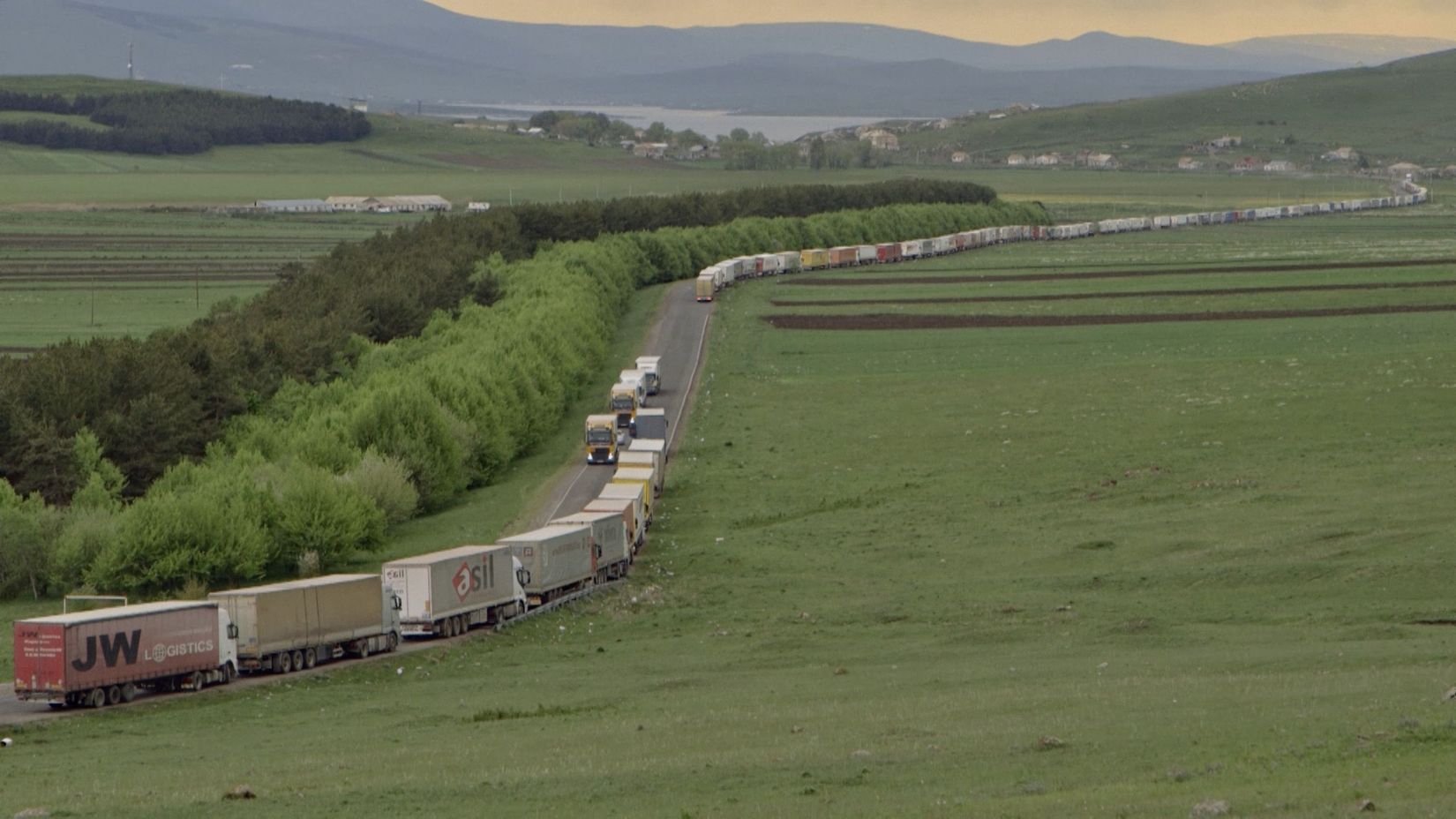
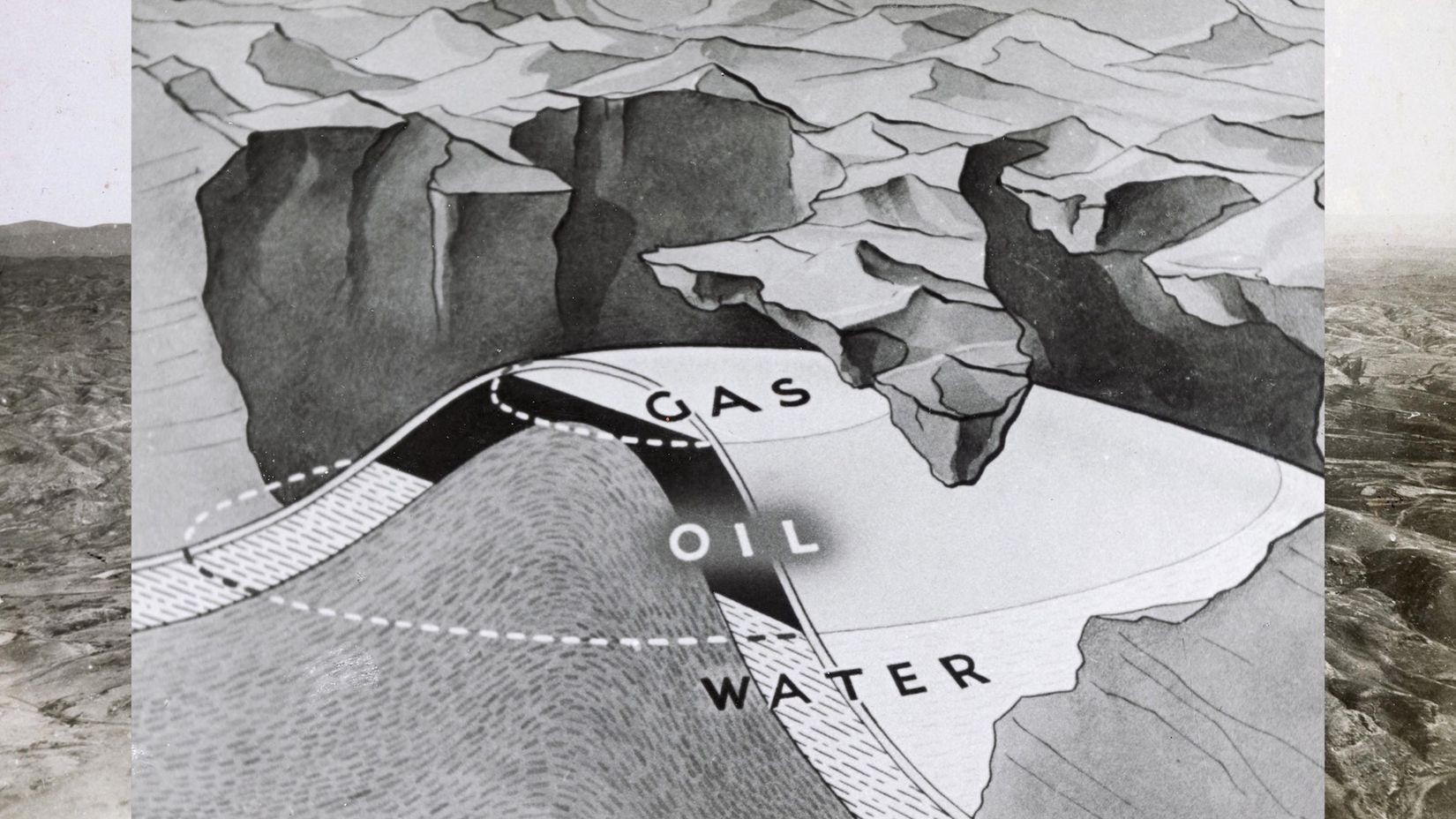
Comprising four videos by Emanuel Licha, Miles Rufelds, Susan Schuppli and Sanaz Sohrabi, this exhibition explores how artists harness archives, image technologies and investigative methods to reveal sociopolitical, historical and environmental realities that have remained out of frame. From documentary investigation to parafiction, these works marshal imagery to examine, correlate or reconfigure the traces upon which facts are constructed.
This exhibition is presented as part of a joint project with the Neuer Berliner Kunstverein (n.b.k.).