The Zapruder Effect
Four investigations
2026.12.04 – 2027.01.10
Comprising four videos by Emanuel Licha, Miles Rufelds, Susan Schuppli and Sanaz Sohrabi, this online video program explores how artists harness archives, image technologies and investigative methods to reveal sociopolitical, historical and environmental realities that have remained out of frame. From documentary investigation to parafiction, these works marshal imagery to examine, correlate or reconfigure the traces upon which facts are constructed.
What do the visible indicators of an event, or those extracted from archives, enable us to establish? Under what conditions can cross-referencing them reveal dispersed, disguised or denied instances of violence, constitute evidence, or support a call for justice? These questions take on distinct forms in each of these investigations. Sohrabi looks at how imagery produced by the oil industry plays a role in territorial exploitation and construction of a modernist imaginary in Iran. Licha explores the knowledge developed by the families of missing persons in Mexico, for whom reading a landscape becomes a means of finding their loved ones. Schuppli investigates the instrumentalization of cold weather as a form of police violence against Indigenous people in Québec and elsewhere in Canada. Lastly, Rufelds employs parafiction to test mechanisms of conviction and the speculative drifts of a quest for the truth.
The convergence of these works evinces tension between the need to ascertain facts and critical examination of the methods employed to that end. Industrial archives, witness statements, material clues and narrative constructions engage differing relationships to authority, memory and responsibility. Via these approaches, investigation also questions the frames that determine what can be admitted as evidence and who can be heard as a witness.
PROGRAM
Emanuel Licha
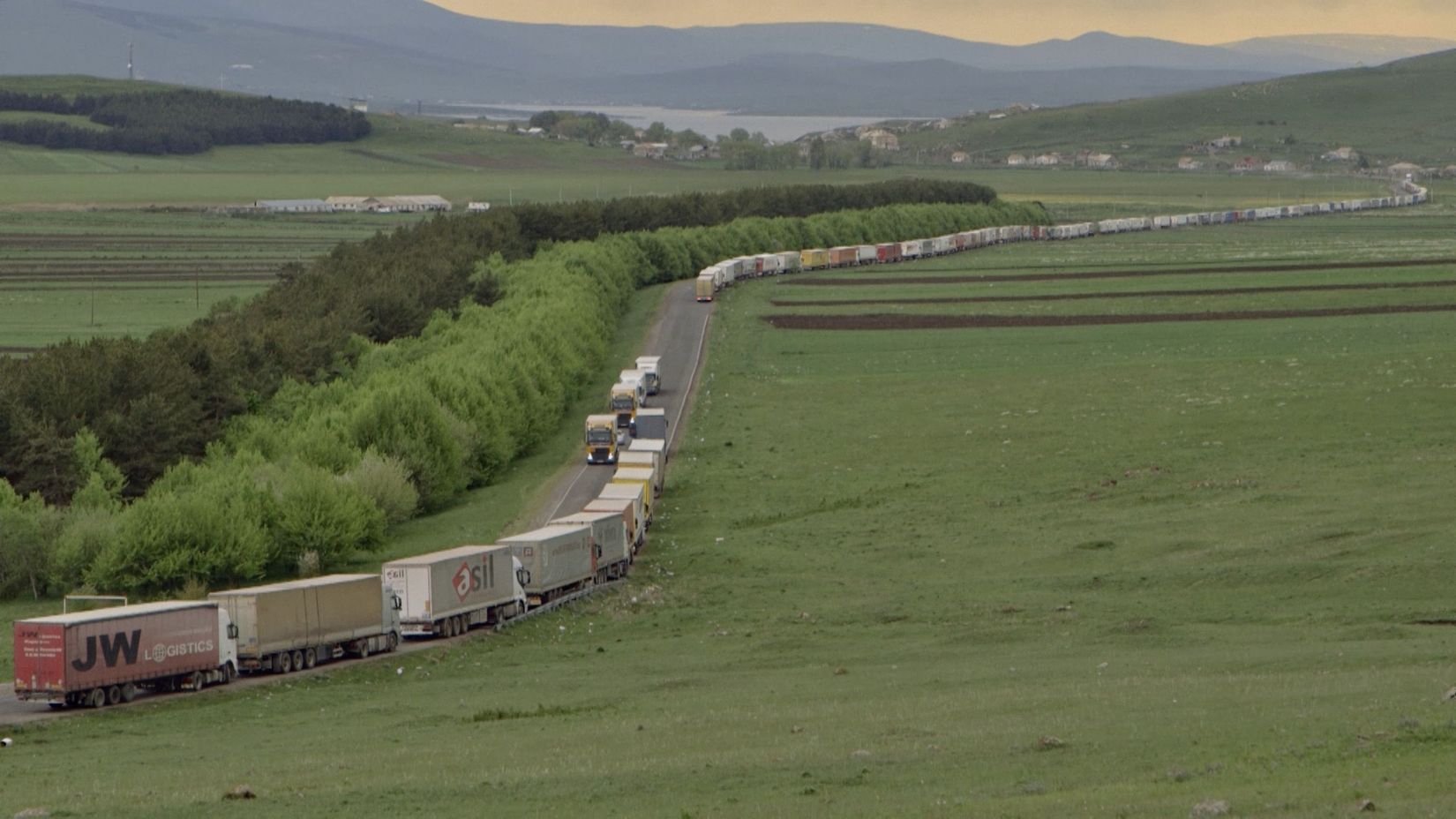
Entretierra, 2024
22 min
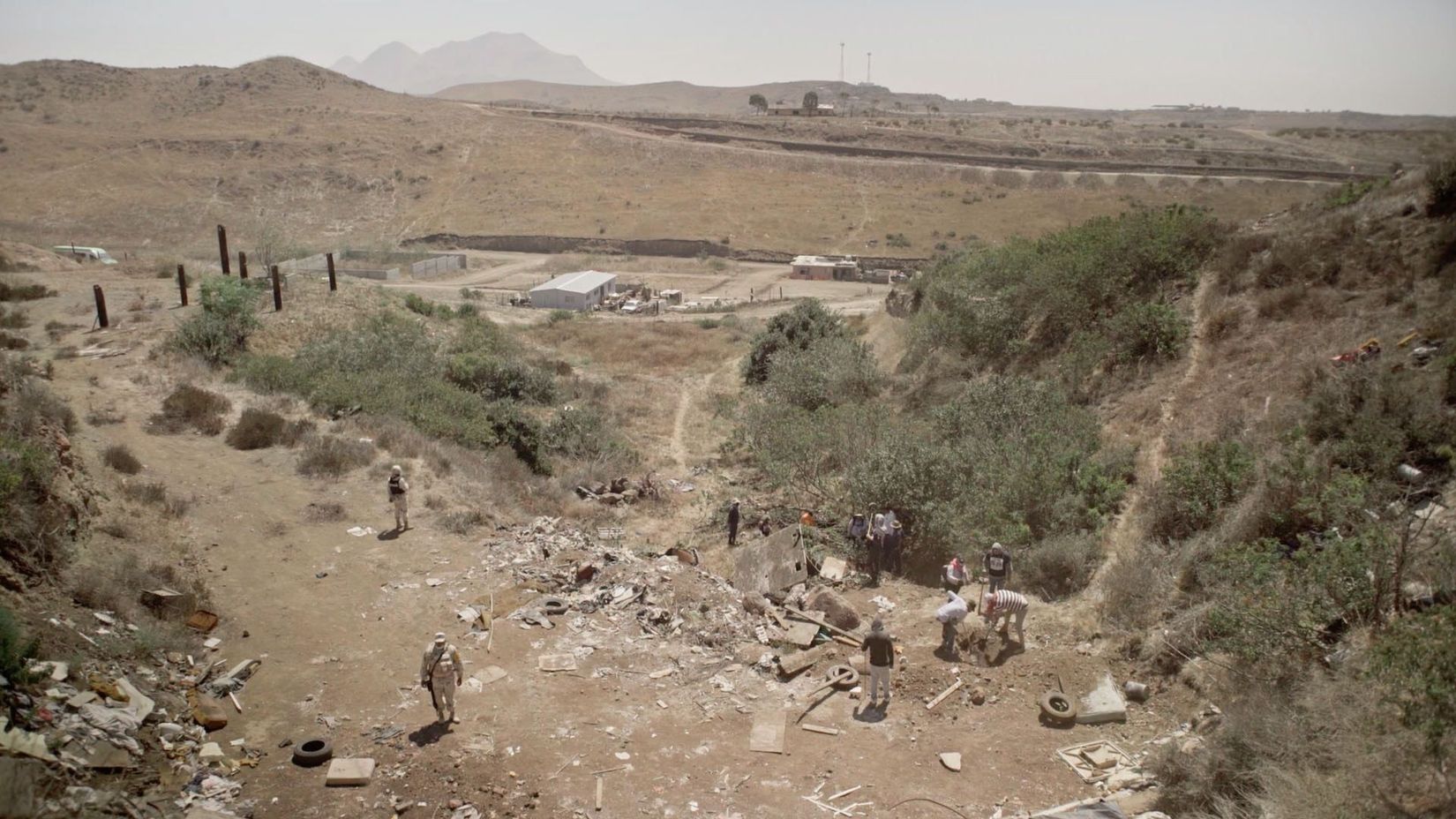
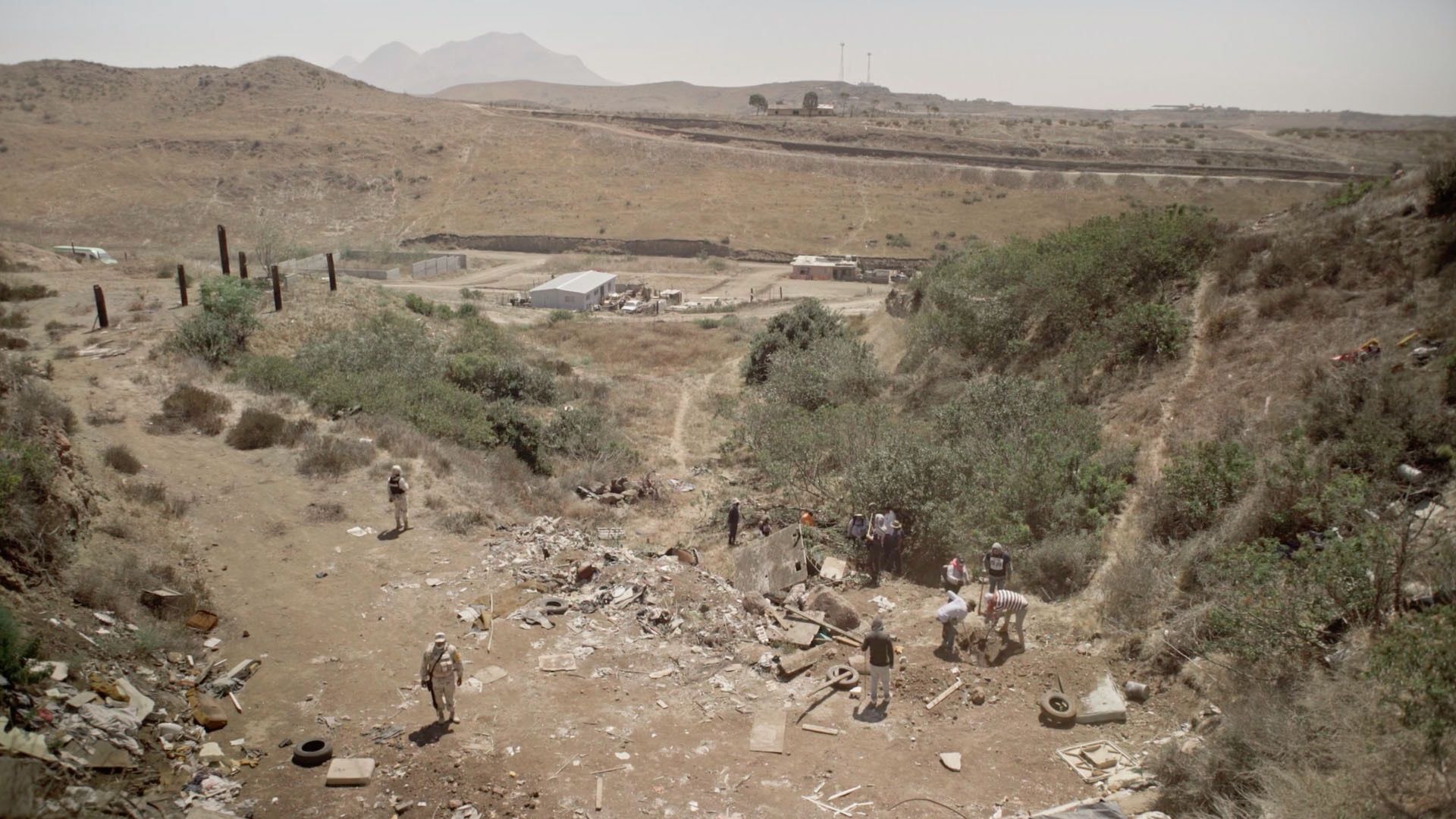
Licha’s work in film, video installation and photography focuses on the role of spatial objects in the representation and the understanding of geopolitical events, leading to a reading of the features of the urban landscape as so many social, historical, and political signs. Entretierra takes the form of an investigation conducted in Mexico, where the number of missing persons is estimated at over 112,000 since the launch of the “war on drug trafficking” in 2006. In their search for their loved ones, whether dead or alive, families scour prisons, hospitals, public dumps, the outskirts of cities and desert areas. Over time, they have developed expertise in gathering information, reading soils and landscapes, archaeological excavation techniques, identifying bones, as well as in leading a militant struggle.
Miles Rufelds
It’s Not Brakhage, 2024
54 min 39 sec
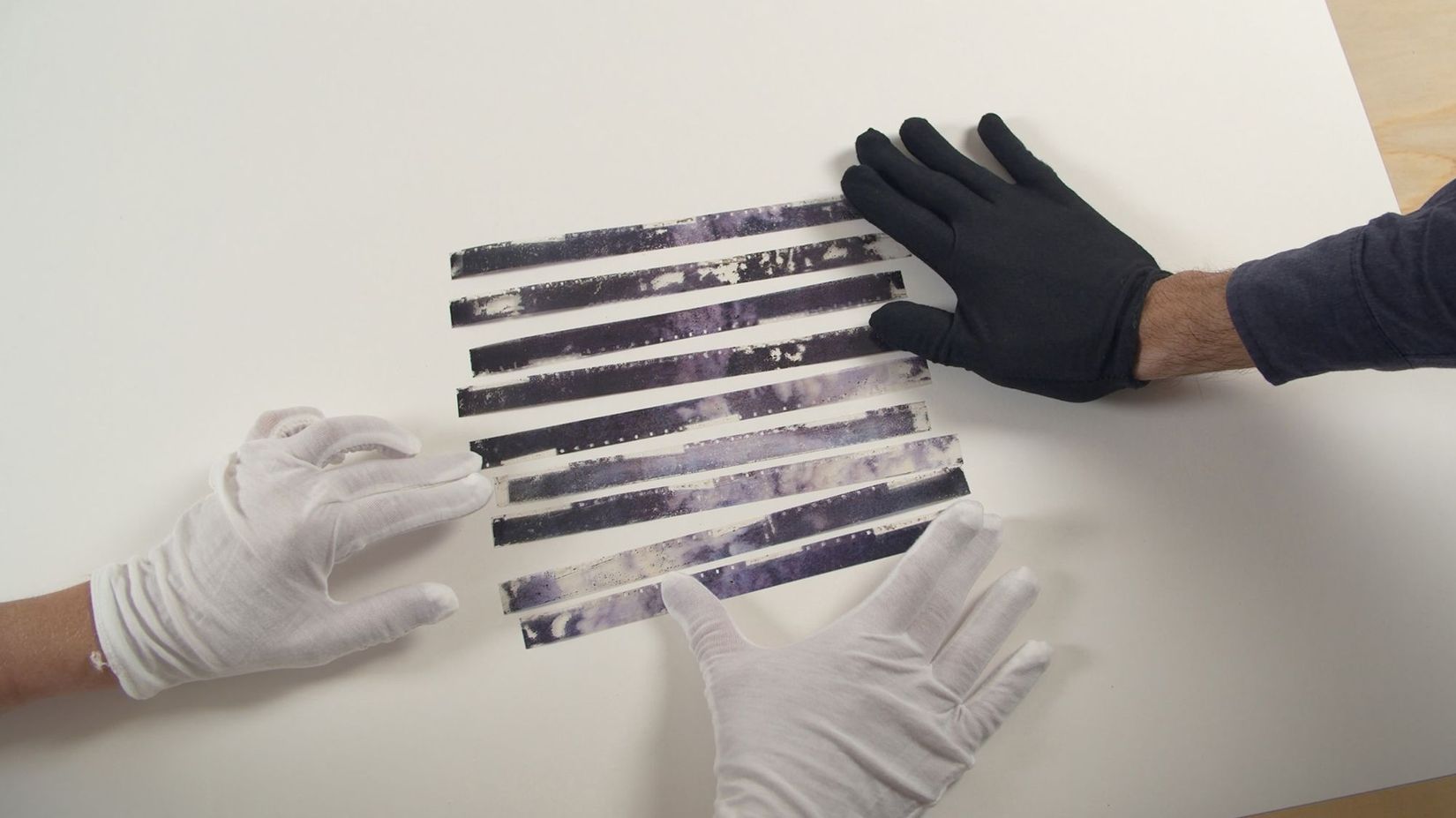
In an age when every visual and informational production is put under the microscope of truth, when conspiracists and whistleblowers share the same platforms, what is the artist’s role in pursuing, accumulating and disseminating facts? Drawing on film noir tropes while deploying visual essayism as an investigatory mode, Miles Rufelds reconciles authenticatory images with deceptive illusions around a legendary figure of experimental film. In the parafiction film It’s Not Brakhage, an investigator-researcher in the throes of doubt delves into the archives of a mysterious foundation with links to the DuPont industrial dynasty. His search reveals a network of connections in which cinematic experimentations, image technologies, the arms lobby and family fortunes intertwine. As the narrator is gradually gripped by feverish speculation, the quest for the truth becomes suspect as well.
Susan Schuppli
Freezing Deaths and Abandonment Across Canada, 2021
31 min 51 sec
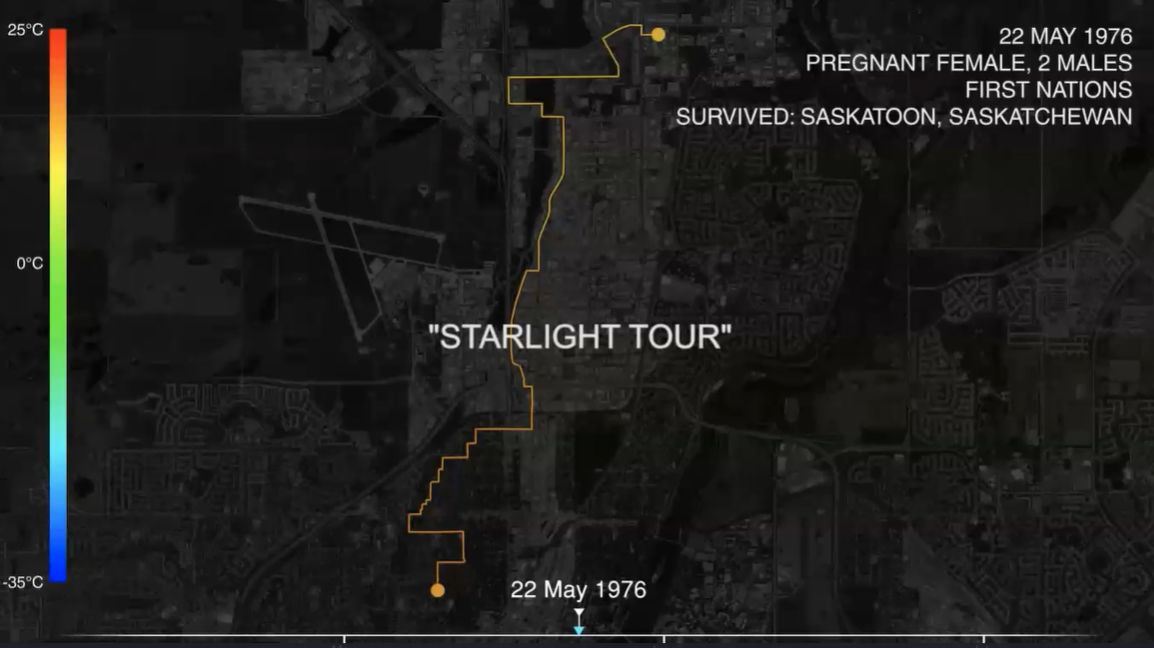
An active member of the Forensic Architecture collective, Susan Schuppli’s work lies at the intersection of art, climate science and their impacts on affected communities. Freezing Deaths and Abandonment Across Canada (2021) examines the shadow practice within Canadian police forces known as “starlight tours,” whereby Indigenous people in police custody were abandoned in isolated areas, exposing them to hypothermia and death from the cold. Although these police practices were vehemently denied and rarely resulted in disciplinary action, the phenomenon continued for decades in cities and rural communities across Canada. The cases examined include, among others, recent reports from Val-d’Or, Quebec. The film is part of the Cold Cases video series (2021-2022) that investigates the politics of cold through cases and contexts in which temperature and its differential experiences and effects are entangled with legal questions, human rights violations, but also claims for social and environmental justice.
Sanaz Sohrabi
Scenes of Extraction, 2023 | صحنه های استخراج
43 min
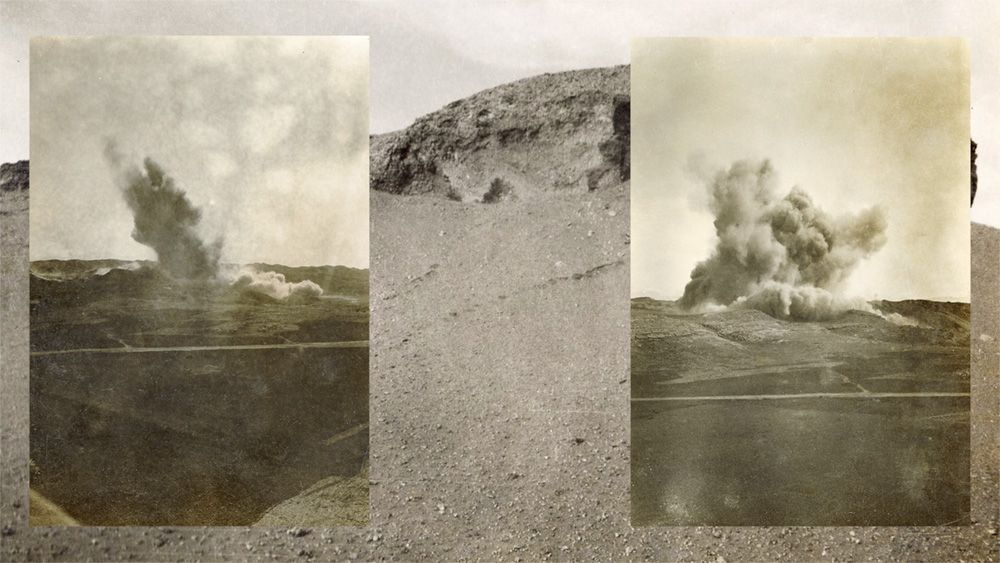
The artist led an extensive research in the British Petroleum archives, tracing the role the company played in shaping Iran’s economy, national identity, and particular vision of modernity prior to the nationalization of the oil industry in 1951. Her essay film Scenes of Extraction صحنه های استخراج | (2023) renders visible the political function of imaging technologies in BP’s geological investigations. Seismic prospecting techniques, filmed documentation of boreholes and aerial photography, geological studies and topographical surveys–here modelled in 3D–reveal the stigmata left by the extractive industry on Iran’s landscape as well as the communications strategies behind this abundant documentation. Using previously unseen archival materials, the artist uncovers the traces of a system that dispossessed Iranian resources and identity.
This program is presented as part of a joint project with the Neuer Berliner Kunstverein (n.b.k.). From December 4, 2026, to February 7, 2027, the exhibition The Zapruder Effect. Four Investigations will be presented at the n.b.k. in Berlin, extending the thematic axis initiated by VOX in 2022. A roundtable discussion bringing together artists and the curator of the program will further explore these questions at the n.b.k. (Berlin) on January 23, 2027. In parallel, from December 4, 2026, to January 10, 2027, VOX will make videos by each of the participating artists freely available on its website.